


TCB Jeans
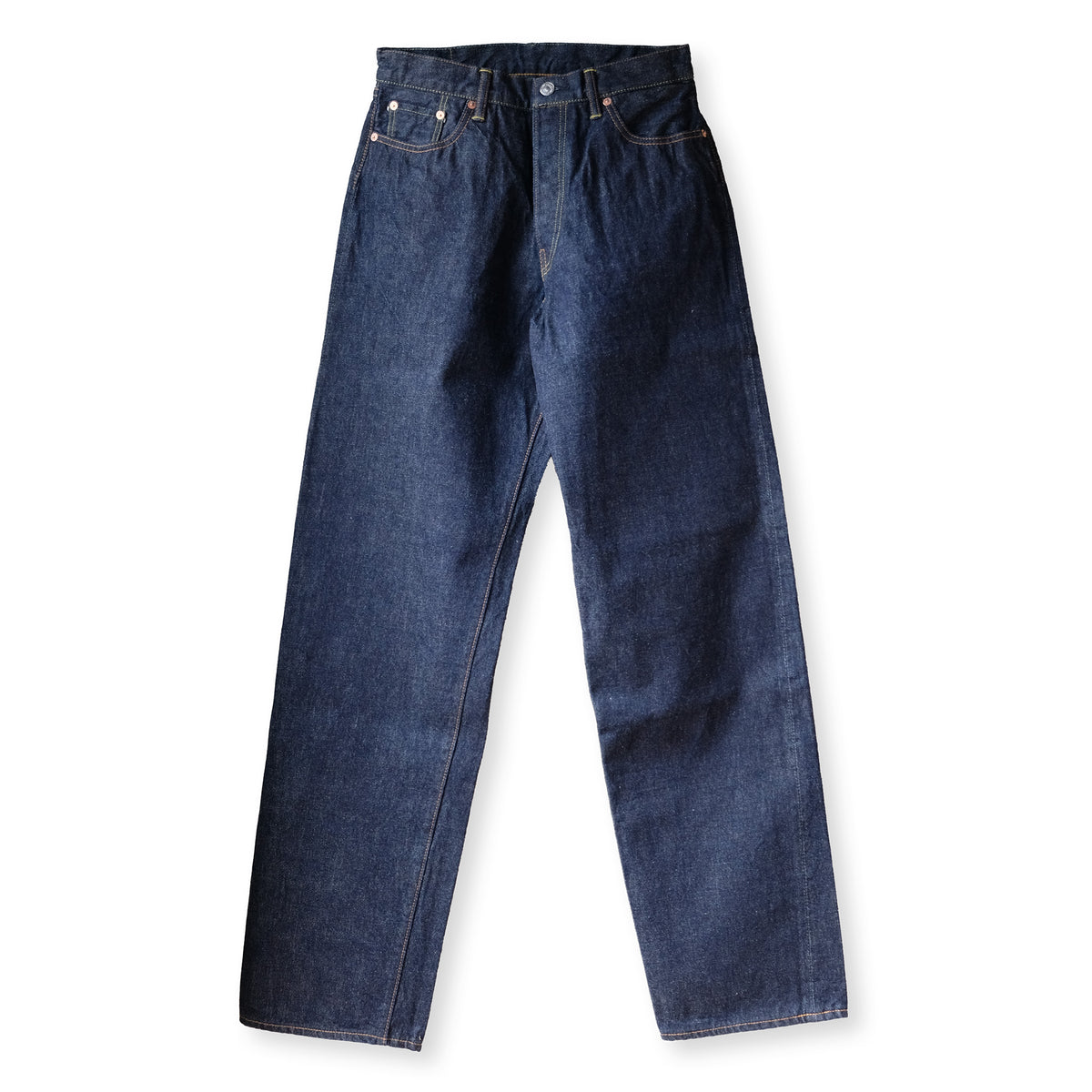
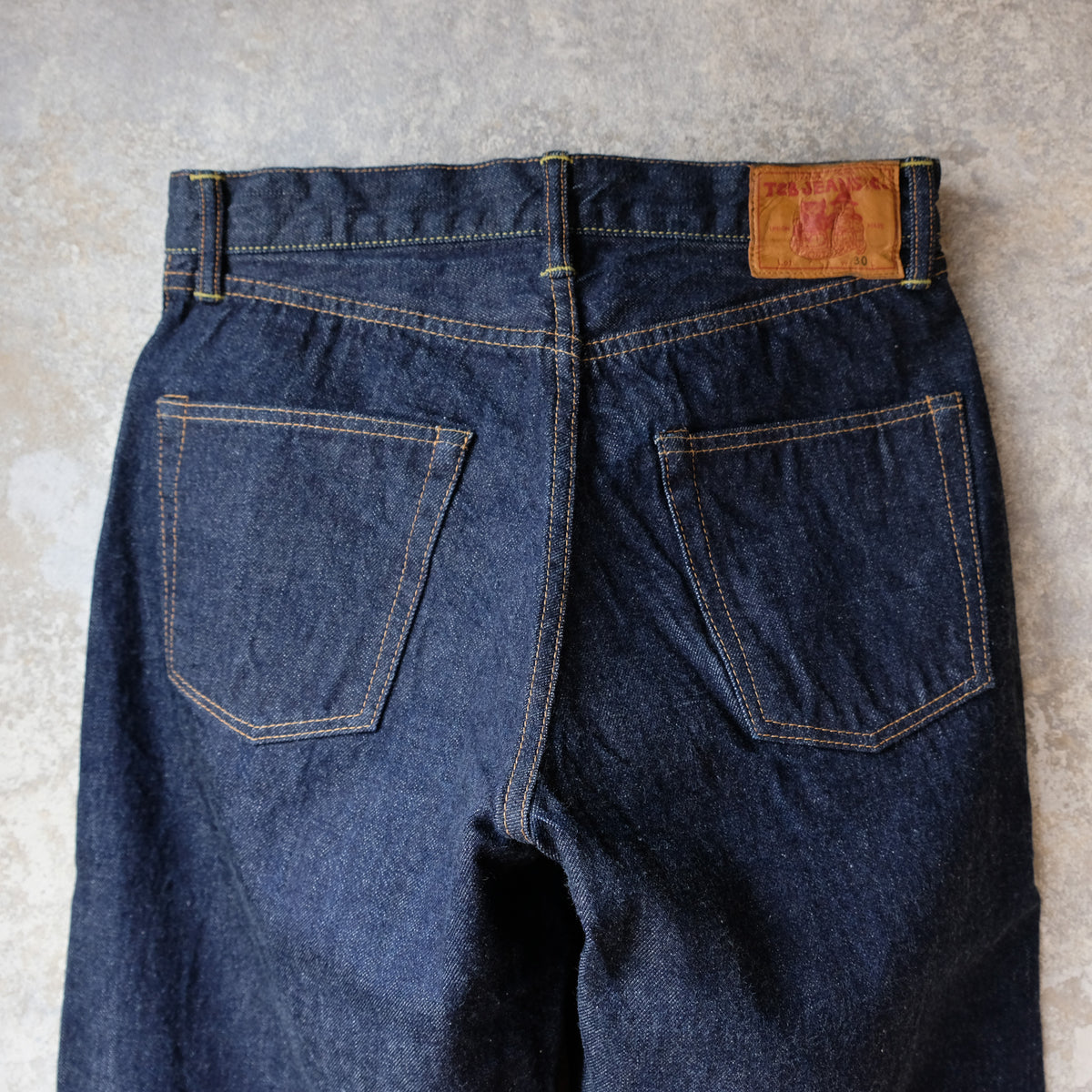
TCB Jeans_Baggy 50's Jeans 13.5oz
TCB Jeans_Baggy 50's Jeans 13.5oz
Couldn't load pickup availability
Shipping Within Japan & Free Shipping
Shipping Within Japan & Free Shipping
Free shipping within Japan on orders of:
- Honshu, Shikoku & Kyushu: ¥16,500 or more (tax included)
- Hokkaido: ¥22,000 or more (tax included)
- Okinawa: ¥26,500 or more (tax included)
These free shipping thresholds apply to deliveries within Japan only. They do not apply to international orders.
When TCB jeans was born 13 years ago, the first jeans we made were the TCB 50's.
They were our starting point, our first answer to "what are jeans?"
And as our jeans began to cross the oceans, just as Japanese cars switch to left-hand drive when exported, the Slim 50's were created to be a better fit for overseas customers.
For me, the 50's are like the North Star.
Whenever I make something, I always use this model as a reference. Is the silhouette wide or narrow, is the fabric thick or thin, what about the color? The 50's are always the benchmark for all of these judgments.
And now, we are adding a new silhouette to the 50's: the Baggy.
The inspiration came from seeing young people at our factory customize the 50's pattern into a baggy style, and how cool it looked.
Seeing that, I thought, "We really need to formalize this." Just as Mods used to soak their jeans to shrink them for a snug fit, and skaters wore theirs oversized.
It made me realize again how much the look of a single pair of jeans can change depending on who wears them and how.
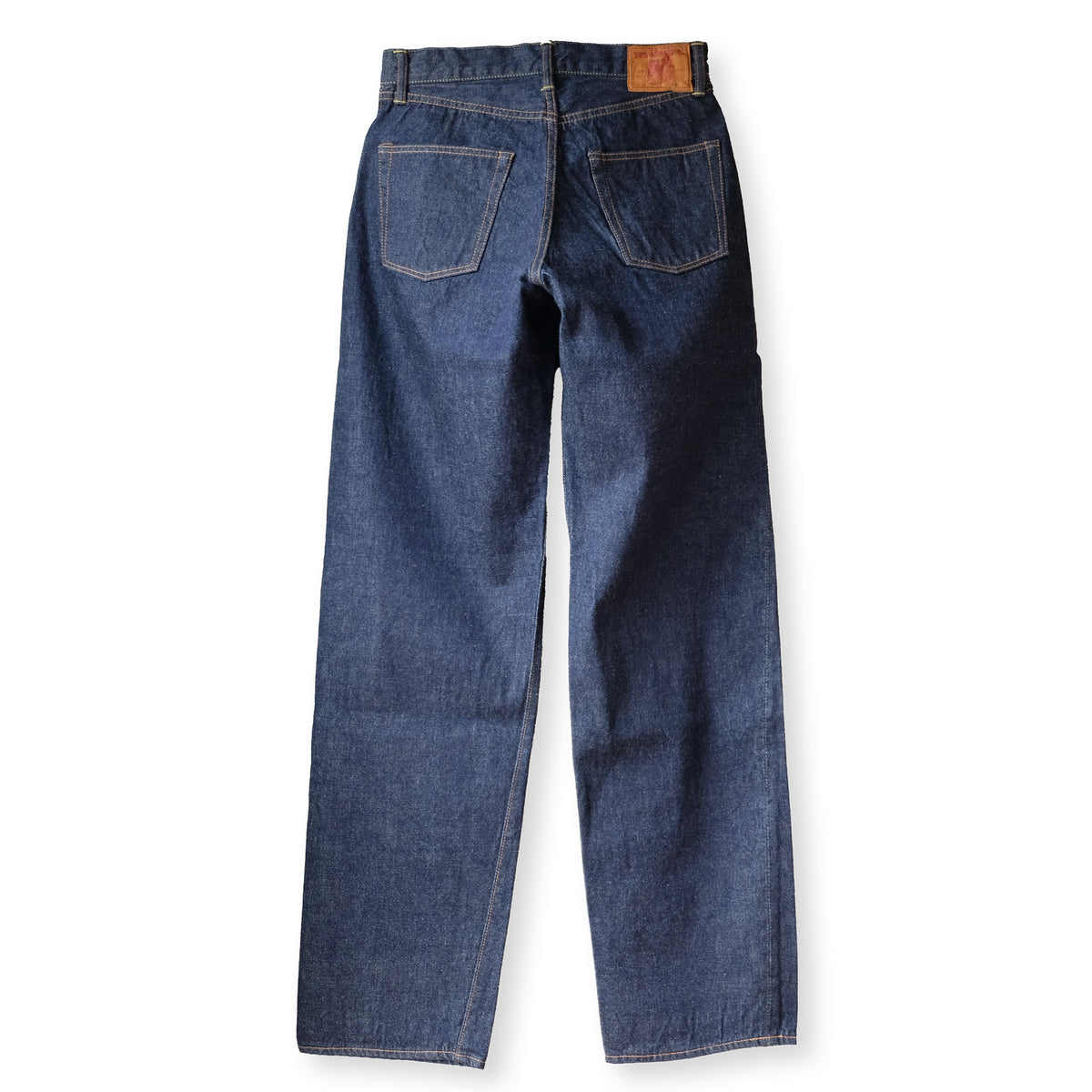
The Baggy 50's are the direct embodiment of that realization. Of course, the fabric and sewing specifications are the same as the 50's. But it has a modern wide silhouette with ample room in the hips, thighs, and hem.
These jeans were made because we wanted to see how the next generation would interpret our origin, the 50's, and how freely they would wear them.
ーーーーーーーーーーーーーーーーーーーーーーーーーーーーーーーーーー
Below is the product description for the 50's Jeans.
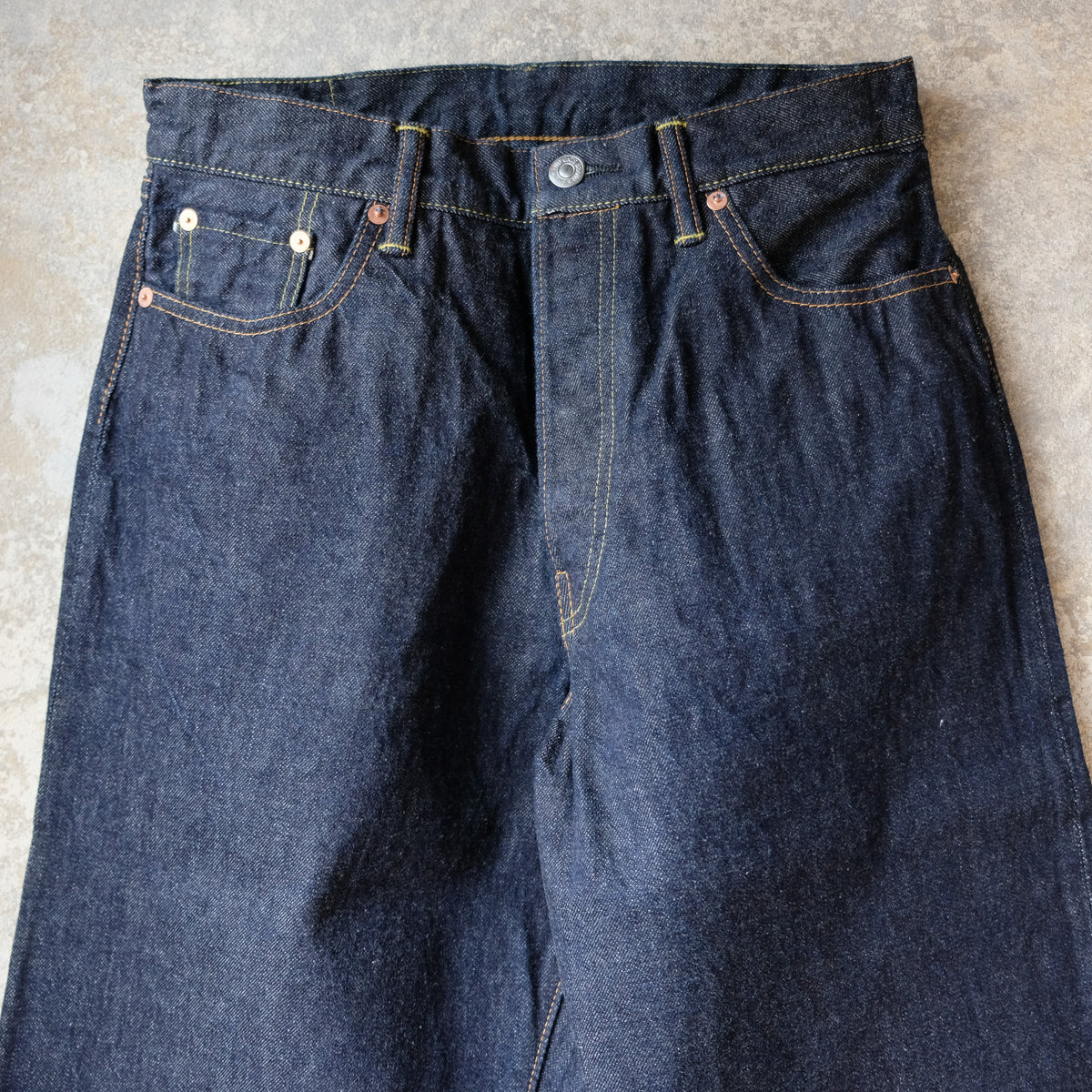
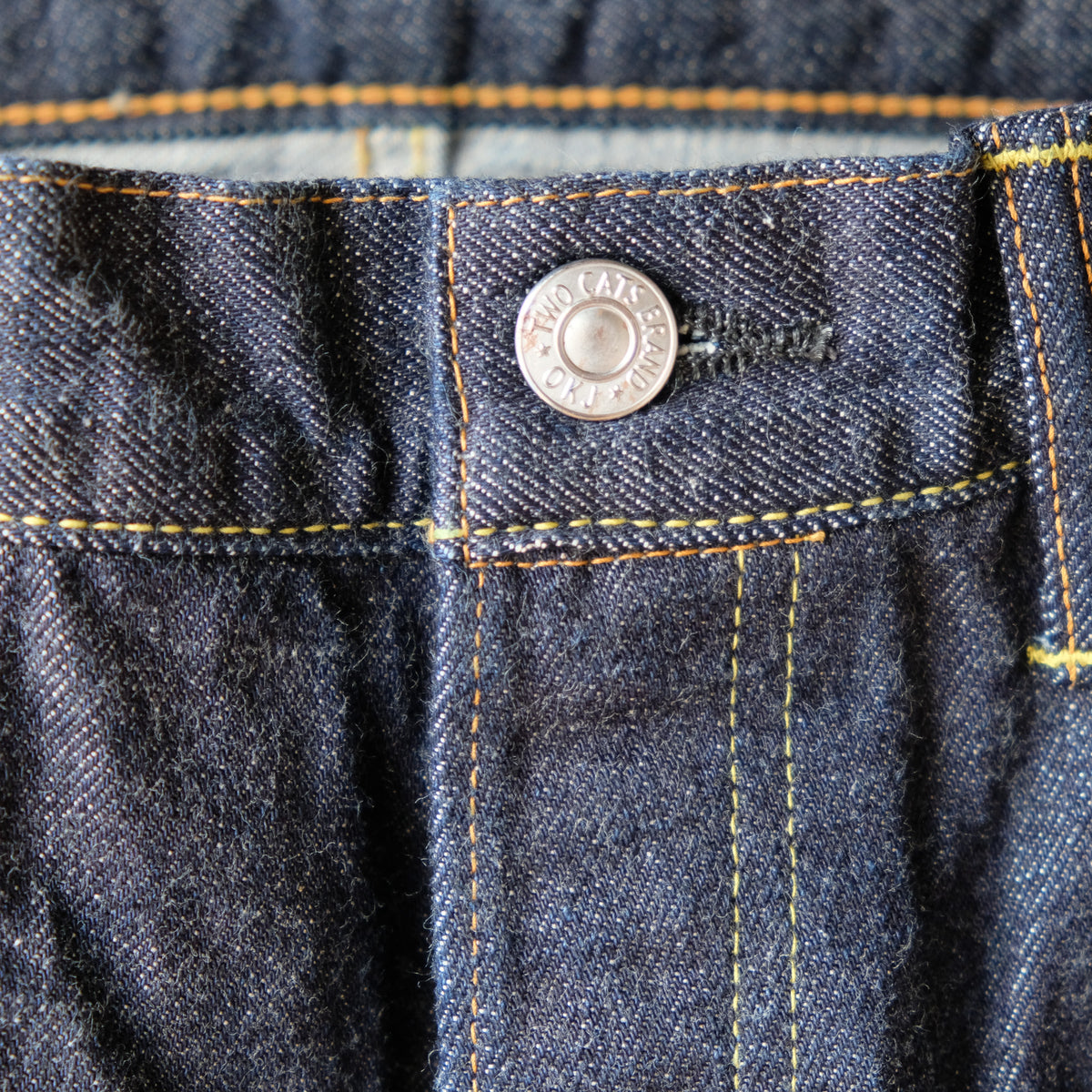
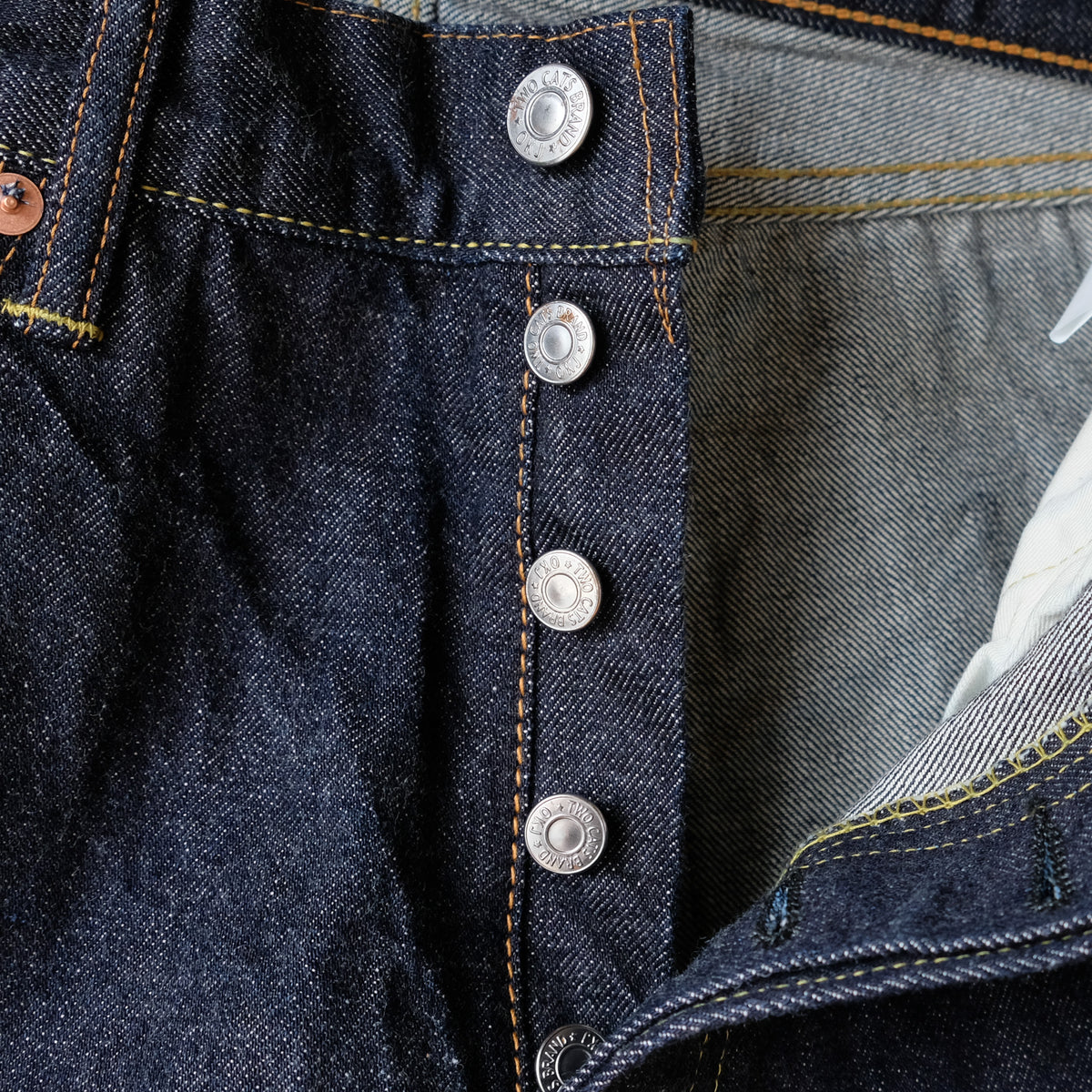
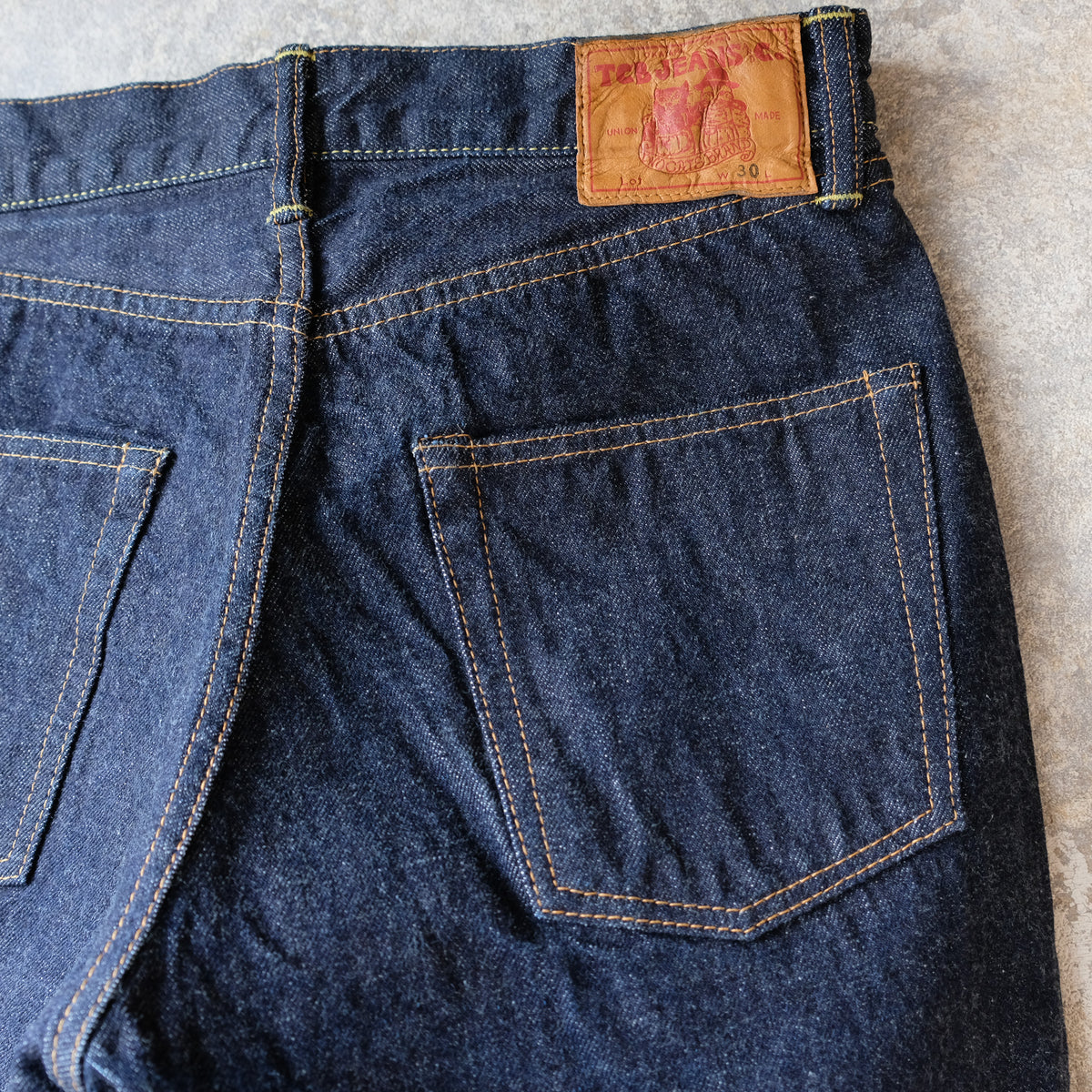
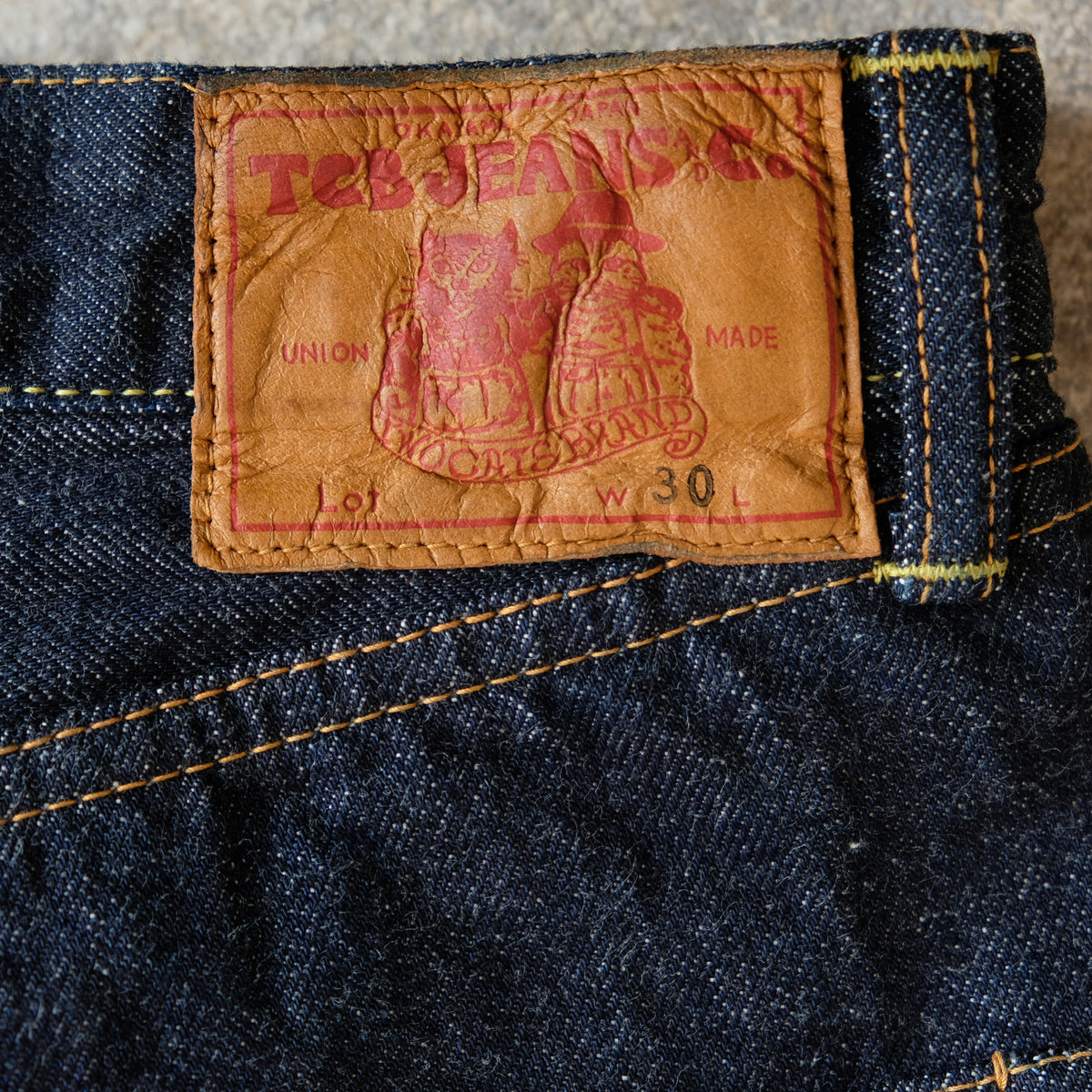
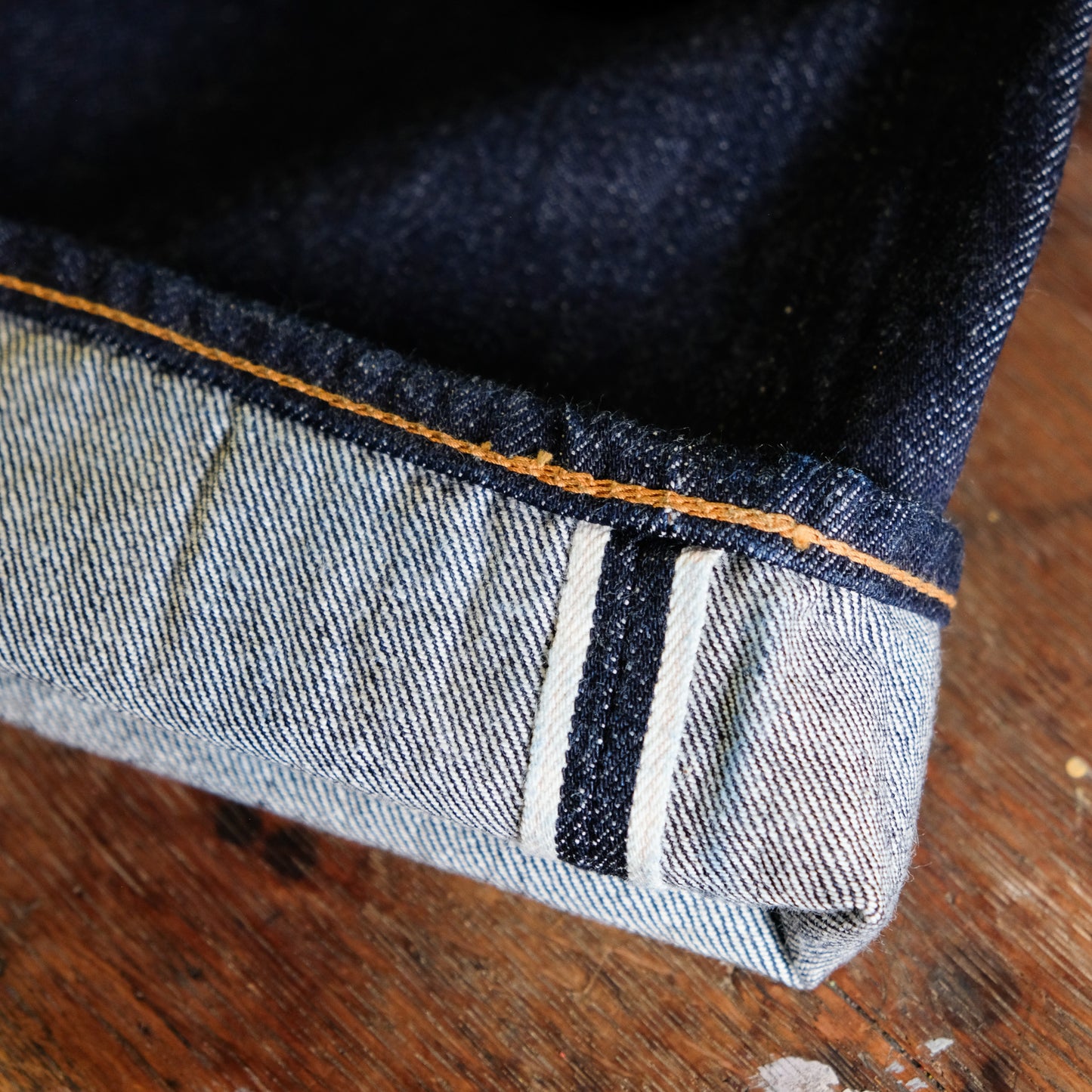
This is a standard TCB model aiming to reproduce the paper patch of Levi's 501 XX from the 1950s. The silhouette is traced from vintage pieces owned by TCB, and the sewing threads are carefully selected, strand by strand, for their count and color.
The fabric used is approximately 13.5oz Zimbabwe cotton. It's not the forced unevenness created by modern computer-controlled machines, but rather a traditional unevenness achieved by adjusting old-fashioned spinning machines. The fades are characterized by thick, short vertical drops, and when these naturally connect into lines, they are expected to show the best vertical fading.
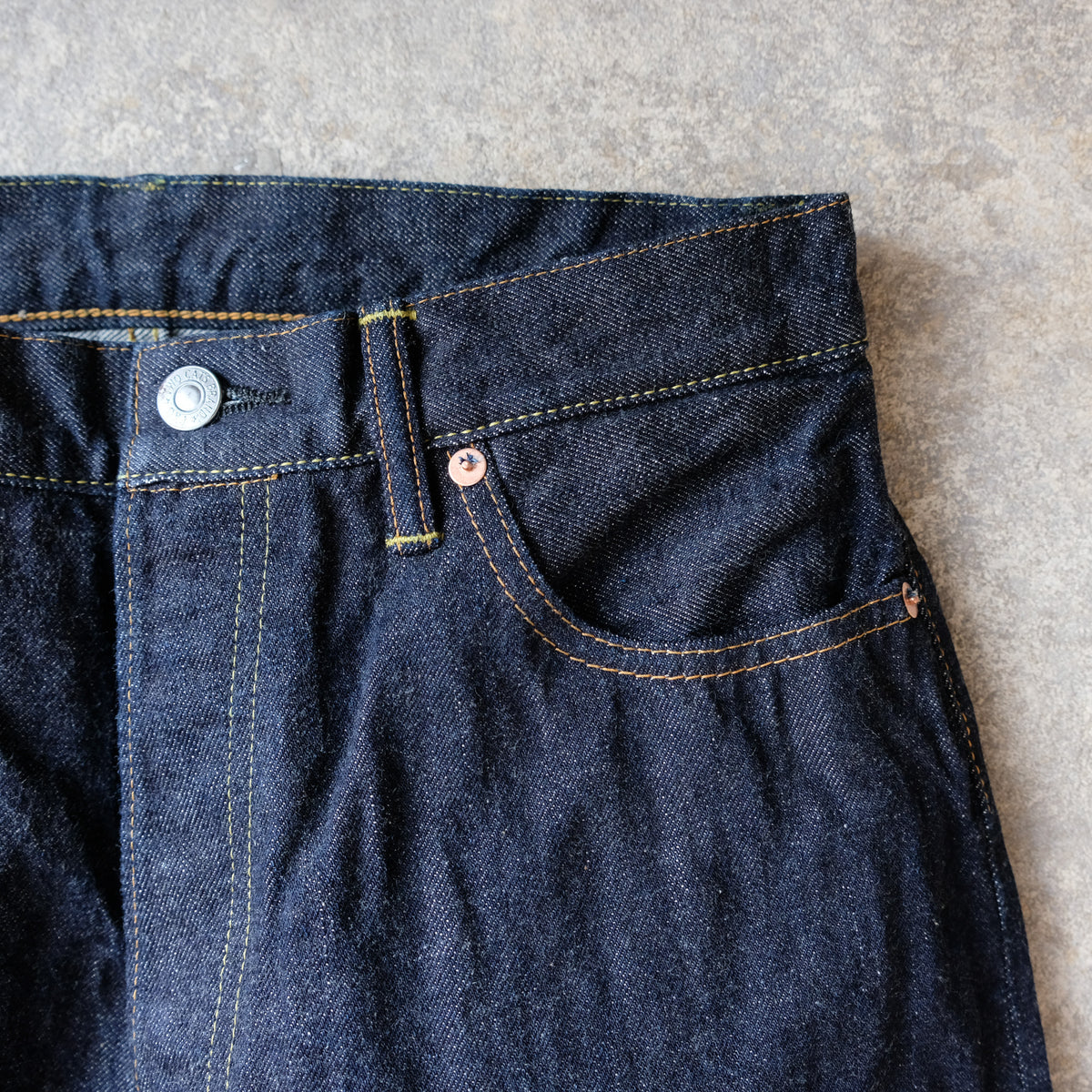
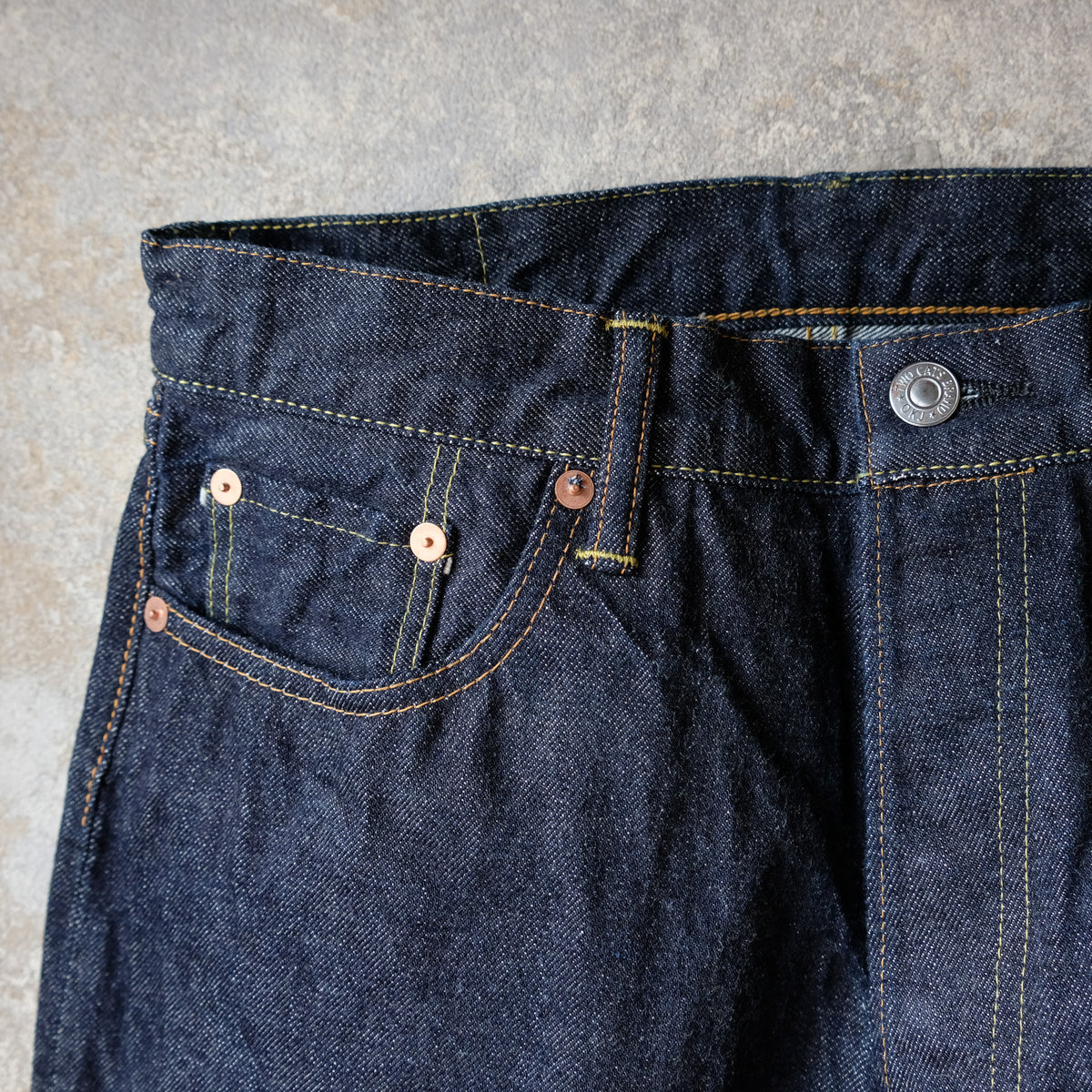
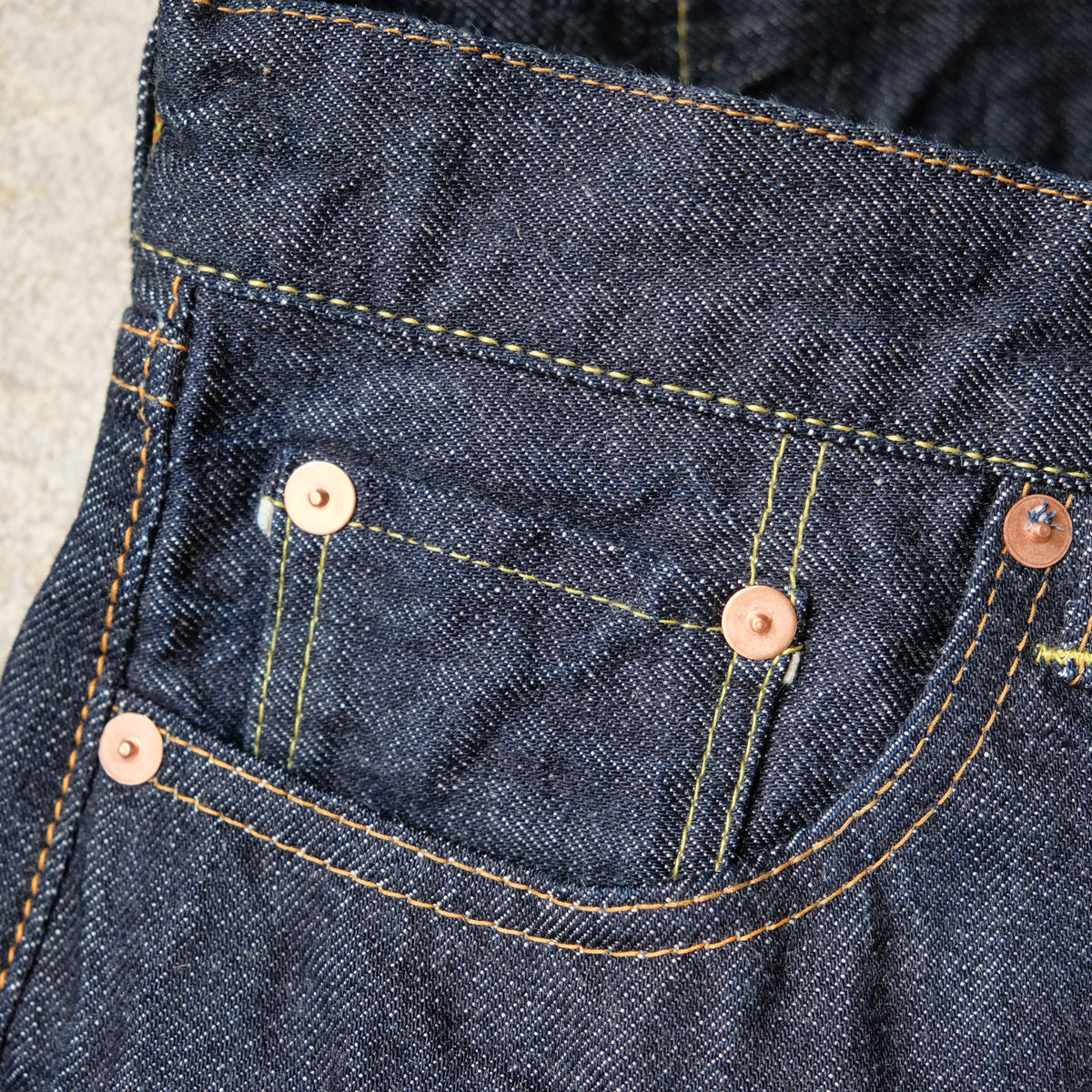
The cut for inserting the hidden rivets reproduces the strongest method among the many available at the time. The idea is that when the base color fades, the paper will tear, revealing a darker fabric underneath.
The waistband below the belt loops is not sewn with a blind stitch, but rather with a chain stitch all the way to the end of the waistband. The "kara-kan" (loop for belt hooks) is intentionally left exposed rather than tucked inside.
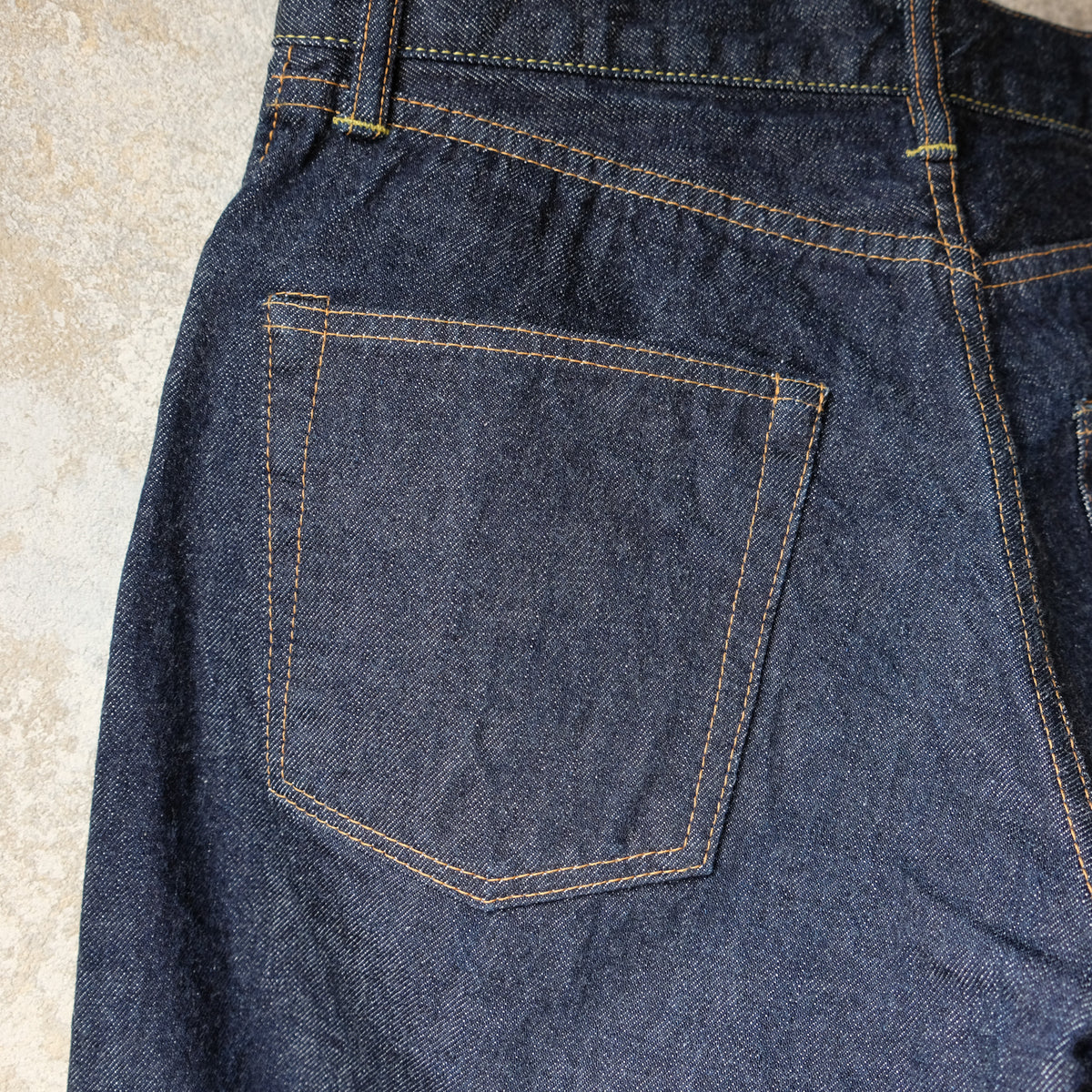
The pocket lining (suleki) in the vintage era was often sewn roughly, so TCB jeans 50's reproduces this to an extent that doesn't compromise strength.
Four colors of sewing thread and five different thread counts are used for stitching. There are many highlights in these jeans, such as varying the stitch width depending on the location, and adjustments and modifications to the sewing machines.
Material: Approx. 13.5oz 100% Zimbabwe Cotton
Sewing: All cotton thread (4 colors, 5 thread counts)
Leather patch Production: MADE IN JAPAN
The above is reprinted from TCB's official website.
Although I can't quite manage to wear baggy jeans low on my waist like a skater, I hope that the younger generation will have a good encounter with quality jeans, and I think this model could be a great starting point.
Skateboarding, like playing the guitar, is one of those things I've tried many times and repeatedly failed at, haha.
Even if you don't wear them low on your waist, the rise is deeply set and there's plenty of room in the hips, so they're also recommended for women. They look cute when coordinated with a tight-fitting top.
These are new arrivals, but I apologize that some sizes are already out of stock... For sizes currently unavailable, please wait for the next restock.
※The TCB products we stock are not samples, so please refrain from visiting our store solely for the purpose of trying them on.
Actual Size Chart: Units in cm
| 28 | 29 | 30 | 31 | 32 | 33 | 34 | 36 | 38 | 40 | |
| Waist | 72.5 | 75.0 | 78.0 | 80.0 | 81.0 | 85.0 | 84.5 | 90.5 | - | - |
| Front Rise | 32.0 | 32.0 | 32.0 | 32.0 | 31.5 | 33.0 | 32.5 | 32.8 | - | - |
| Back Rise | 41.0 | 40.0 | 40.0 | 40.3 | 41.3 | 41.8 | 42.0 | 42.3 | - | - |
| Thigh | 34.3 | 34.5 | 35.0 | 35.5 | 36.0 | 37.0 | 37.5 | 38.5 | - | - |
| Inseam | 88.5 | 87.3 | 88.0 | 88.0 | 89.0 | 90.5 | 89.5 | 90.8 | - | - |
| Hem Width | 21.3 | 21.5 | 22.0 | 22.3 | 22.8 | 23.0 | 23.3 | 23.8 | - | - |
Trying on at the store
Trying on at the store
In-store try-ons are offered as a service to customers who are considering purchasing from our store.
Please refrain from trying on items solely for the purpose of size confirmation.
Items such as cut-and-sew garments, which are prone to stretching, cannot be tried on. Exchanges after trying on at home post-purchase are also not accepted.
Please also refrain from trying on belts, as they tend to stretch. For length confirmation, please bring a belt you are currently using.
For leather boots and sandals, try-ons are also offered on the premise of purchase. Please try them on during the final confirmation stage. When trying on, please be careful not to cause wrinkles. Please be sure to bring your own socks.
We appreciate your understanding and cooperation to ensure everyone can enjoy using our services comfortably.
No Forwarding Services
No Forwarding Services
We do not ship to freight forwarding addresses.
Please note that if the shipping address provided is identified as a freight forwarder after an order has been placed, your order will be cancelled.
Customs Duties & Taxes
Customs Duties & Taxes
Please note that international orders may be subject to customs duties, taxes, and import fees upon arrival in your country. These charges are the responsibility of the recipient and are not included in the item price or shipping cost.
We recommend checking with your local customs office for more information about applicable fees before placing your order.
International Shipping
International Shipping
Please note that the international shipping cost shown at checkout is an estimate. After your order is placed, we will calculate the exact shipping cost based on the destination, package size, and weight.
- If the actual shipping cost is lower than the estimated amount, we will adjust the shipping charge to the correct amount and finalize your payment accordingly.
- If the actual shipping cost is the same as the estimated amount, your order will be processed without any changes.
- If the actual shipping cost is higher than the estimated amount, we will contact you before processing your order.
- Please note that some destinations may be subject to a Remote Area Surcharge imposed by the shipping carrier. If applicable, only the actual surcharge charged by the carrier will be billed separately.
Please note that the international shipping cost shown at checkout is an estimate. After your order is placed, we will calculate the exact shipping cost based on the destination, package size, and weight.
- If the actual shipping cost is lower than the estimated amount, we will adjust the shipping charge to the correct amount and finalize your payment accordingly.
- If the actual shipping cost is the same as the estimated amount, your order will be processed without any changes.
- If the actual shipping cost is higher than the estimated amount, we will contact you before processing your order.
- Please note that some destinations may be subject to a Remote Area Surcharge imposed by the shipping carrier. If applicable, only the actual surcharge charged by the carrier will be billed separately.
Customs Declaration
Customs Declaration
We are unable to declare a lower value on customs invoices or shipping documents, regardless of customer request.
Accurate customs declarations are required by law. Declaring a false value may violate the import laws and regulations of the destination country. We appreciate your understanding and cooperation.
当店では、お客様のご要望であっても、インボイス(税関申告書)や発送書類に記載する商品価格を実際の購入金額より低く設定することはお断りしております。
正確な税関申告は法律上の義務であり、虚偽の申告は輸入国の法律や規制に違反する可能性があります。何卒ご理解くださいますようお願いいたします。
Share
- 5 stars: 1 (100%)
- 4 stars: 0 (0%)
- 3 stars: 0 (0%)
- 2 stars: 0 (0%)
- 1 star: 0 (0%)
Excellent service from Spiral Jeans. Great postage and updates. The jeans are perfect and the measurements were spot on. Very high quality from TCB. I will be shopping from Spiral Jeans again. Thanks!
Thank you so much for your wonderful review!
We're delighted to hear that the jeans fit perfectly and that our measurements were helpful.
We're also very happy that you were pleased with our shipping service and updates. Your kind words mean a lot to us.
Thank you for your support, and we look forward to helping you find your next great pair of jeans in the future!